
Furniture Removal, Reuse & Recycling
Unwanted furniture needs thoughtful handling because some items can be moved on while others have reached the end of their serviceable life. We help customers identify what is being removed and the practical routes available.
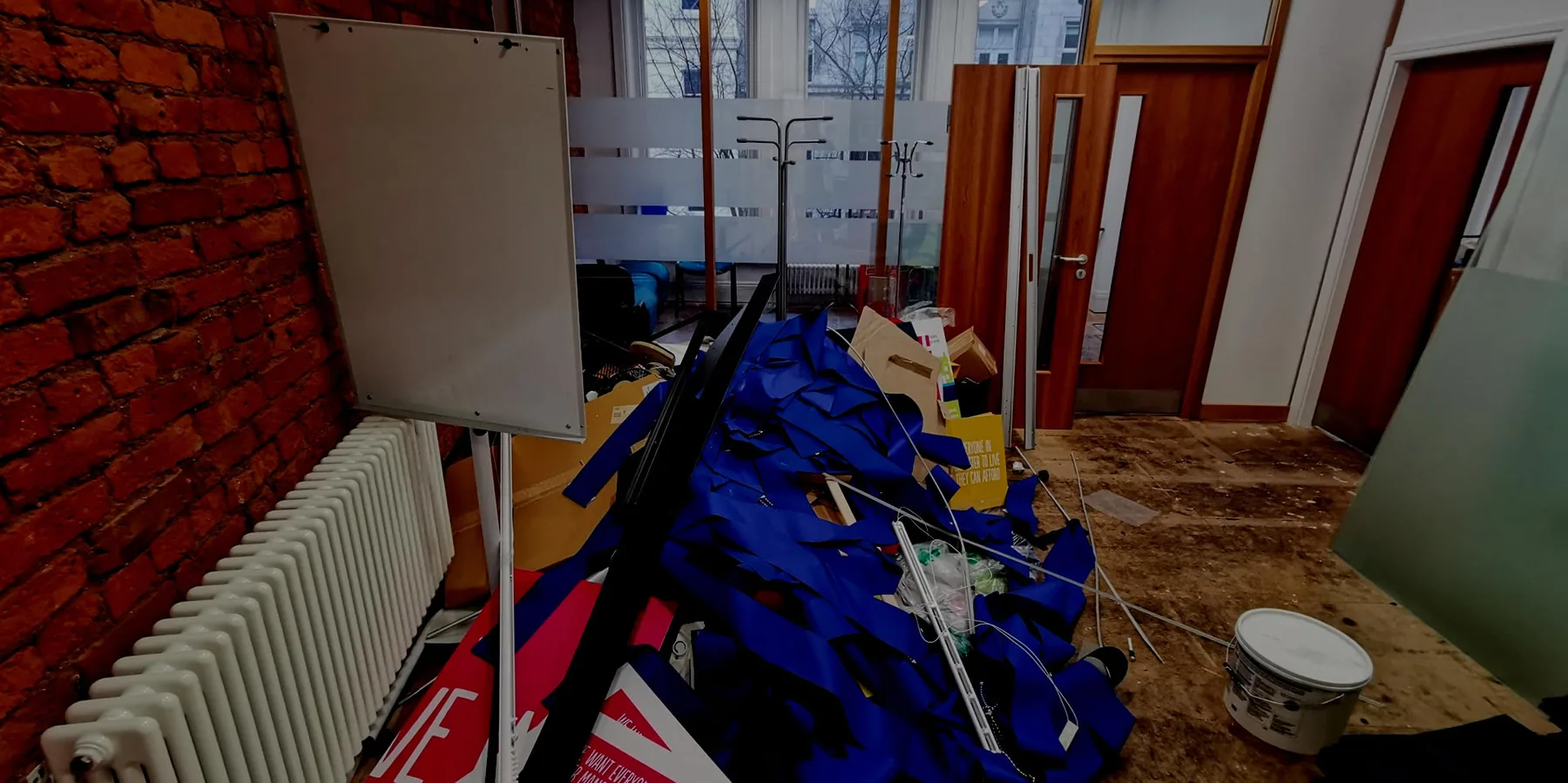
Furniture Removal, Reuse & Recycling that start with a clear brief.
Unwanted furniture needs thoughtful handling because some items can be moved on while others have reached the end of their serviceable life. We help customers identify what is being removed and the practical routes available.
Householders may need individual heavy items removed; businesses may need hundreds of chairs or redundant workstations collected. Both require attention to access and handling.
Furniture condition, fire labels, materials and local reuse demand all affect potential second-life options.
The first step is to make the boundary between items to retain, items to move elsewhere and items to clear entirely unambiguous. That distinction matters whether you are managing a business property, preparing a home for sale or working towards a contractual handover date. We will ask for enough information to understand the real volume and nature of the work.
Rather than assuming a standard fixed-size collection suits every property, we take into account the carrying route, site conditions and any separately priced handling requirements. If photographs do not show the full extent of the work, a further discussion or survey may be appropriate before a firm quotation.
Scope, access and disposal — considered together.
We make these areas explicit so you know what the clearance proposal actually covers.
Items & contents
Sofas, desks, wardrobes, tables, chairs, cupboards and other furniture subject to condition, size, access and acceptance.
Access & logistics
Tell us about staircases, tight corners, fragile surfaces and whether dismantling is permitted.
Reuse & waste
Reuse is considered where realistic; recycling or disposal is organised according to item construction and available licensed facilities.
Planning the removal safely and efficiently
Access arrangements shape how a clearance proceeds. Narrow corridors, multiple flights of stairs, loading bays, timed delivery windows and restricted roads may each influence the labour and vehicles required. We take those points into account rather than treating removal as simply loading whatever is available into a van.
Tell us about staircases, tight corners, fragile surfaces and whether dismantling is permitted. Let us know about fragile surfaces, shared spaces and any areas the clearance team must not enter. Clear preparation can reduce disruption and help prevent accidental removal of retained property.
If you need an item transported to a new address instead of disposed of, please mention that when enquiring. The route, destination access and responsibilities differ from waste removal, and should be reflected separately in the service agreed.
Six things worth telling us before we quote.
These practical details let us identify the likely resources and any issues that require special attention.
- What rooms, floors or areas are included in the furniture removal, reuse & recycling?
- Which items are staying, being transported elsewhere or being treated as waste?
- Can you share a few wide photographs and close-ups of anything bulky, unusual or difficult to reach?
- Is there easy vehicle access, legal parking and a safe route between the site and loading area?
- Is there a preferred date, site handover deadline or restricted working window?
- Are there chemicals, liquids, batteries, asbestos concerns or other specialist materials to flag?
From enquiry to agreed clearance.
Describe the site
Share the address, property type and the furniture removal, reuse & recycling requirements.
Send the details
Photographs, room counts, quantities and access restrictions help define the work.
Review the quote
We explain the proposed scope, any specialist exclusions and what needs confirming.
Agree the programme
We confirm a suitable date, access arrangements and the person authorised to instruct the work.
Furniture Removal, Reuse & Recycling: FAQs
What can be removed during furniture removal, reuse & recycling?
Sofas, desks, wardrobes, tables, chairs, cupboards and other furniture subject to condition, size, access and acceptance. This is an outline rather than an unrestricted list. Tell us about anything unusual and we can confirm what is suitable, what needs further information and what may require a separately agreed specialist service.
Can you provide a quotation from photographs?
Photographs are an excellent starting point when they show all the relevant areas, the approximate volume of contents and the carrying route. Tell us about staircases, tight corners, fragile surfaces and whether dismantling is permitted. For larger or uncertain projects, we may recommend a more detailed survey.
What happens to items after collection?
Reuse is considered where realistic; recycling or disposal is organised according to item construction and available licensed facilities. The actual option depends on the condition and classification of the material and what suitable destinations can accept. Any waste transfer information that is required should describe the materials accurately.
Do you work to a particular completion date?
Please tell us the preferred date and any hard handover deadline before you book. Furniture condition, fire labels, materials and local reuse demand all affect potential second-life options. We will discuss feasibility and access arrangements rather than making a blanket promise about every date or site.
One company. A clear point of contact.
Our practical removal and clearance background helps us discuss both the physical items and the site logistics. We welcome detailed commercial enquiries, smaller property requirements and questions before a quotation is requested.
If you are comparing suppliers, ask us to explain the scope, what is excluded and how any specialist material would be handled.
Send an enquiryPlanning furniture removal, reuse & recycling?
Tell us what needs to be removed, when the space must be ready and what access the team will have.