1. Assess the site
Check photographs and access, review the mix of materials and identify anything suspicious that requires specialist advice before collection.

Illegal dumping leaves a mess for landowners, damages the countryside and puts people at risk. These photographs show the kinds of fly-tipped waste our team has been called to deal with around Sheffield.
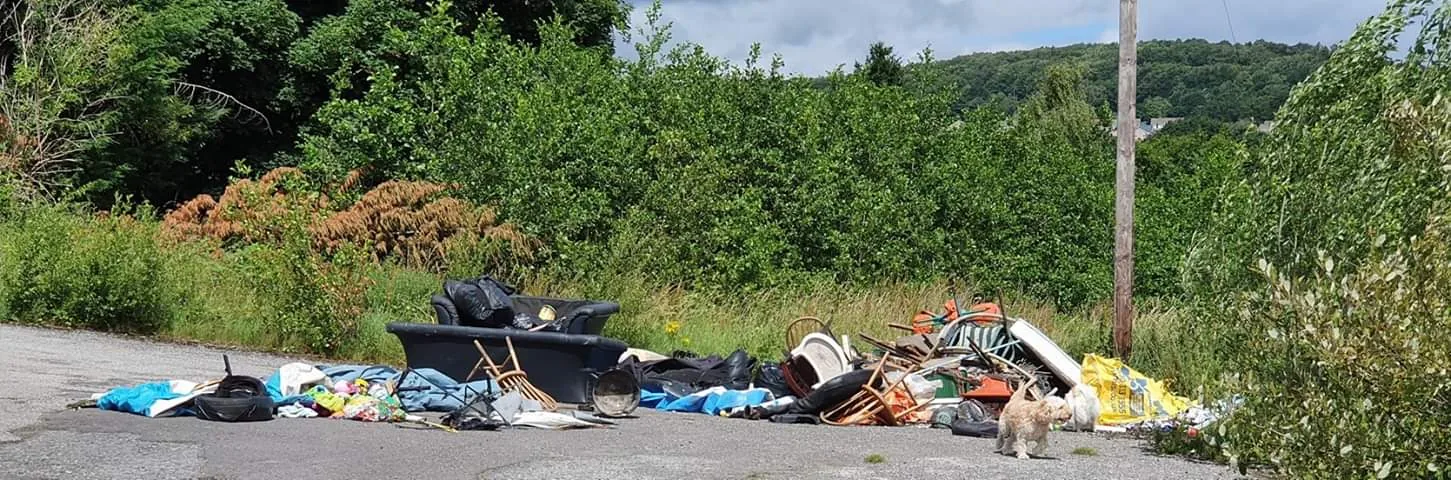
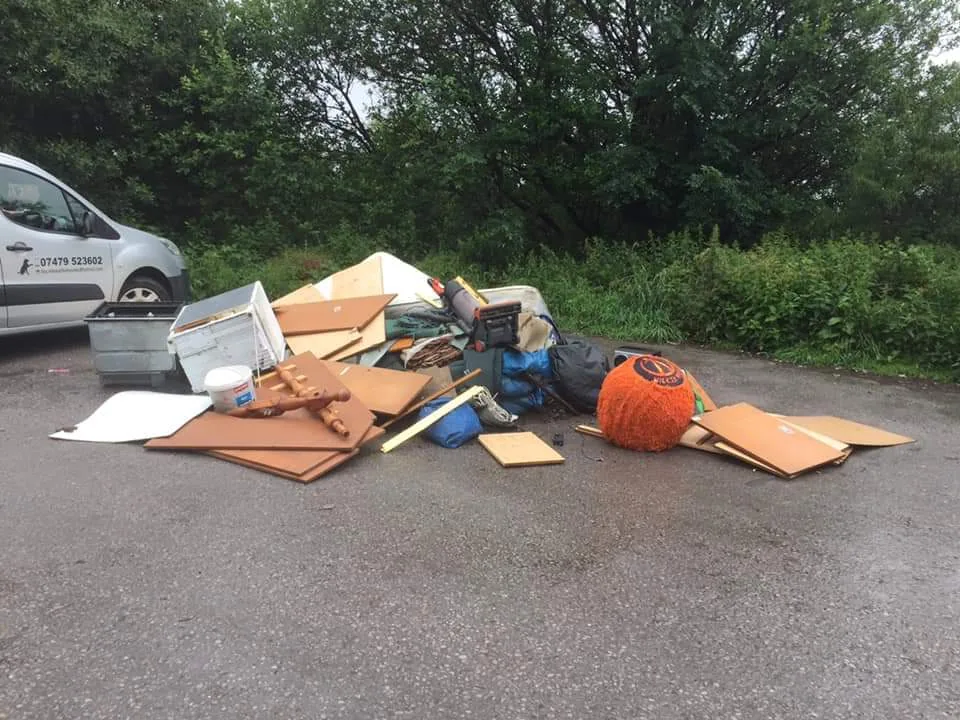
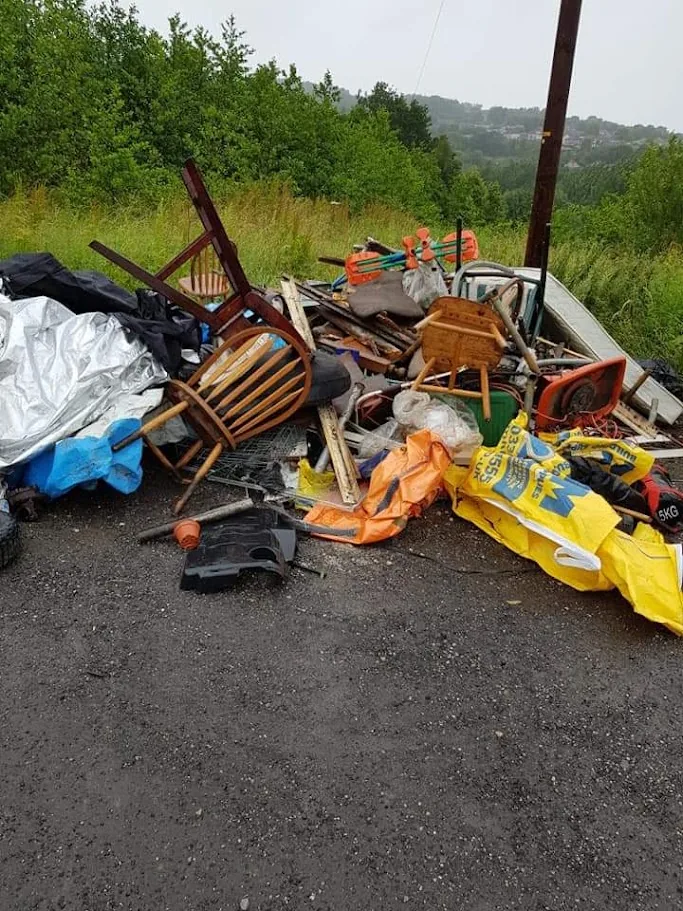
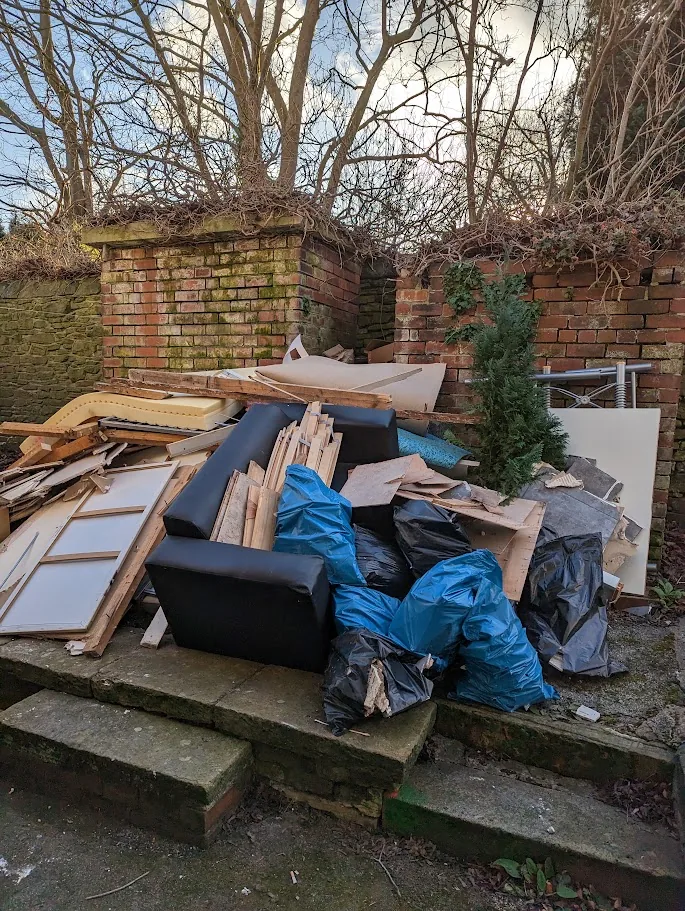
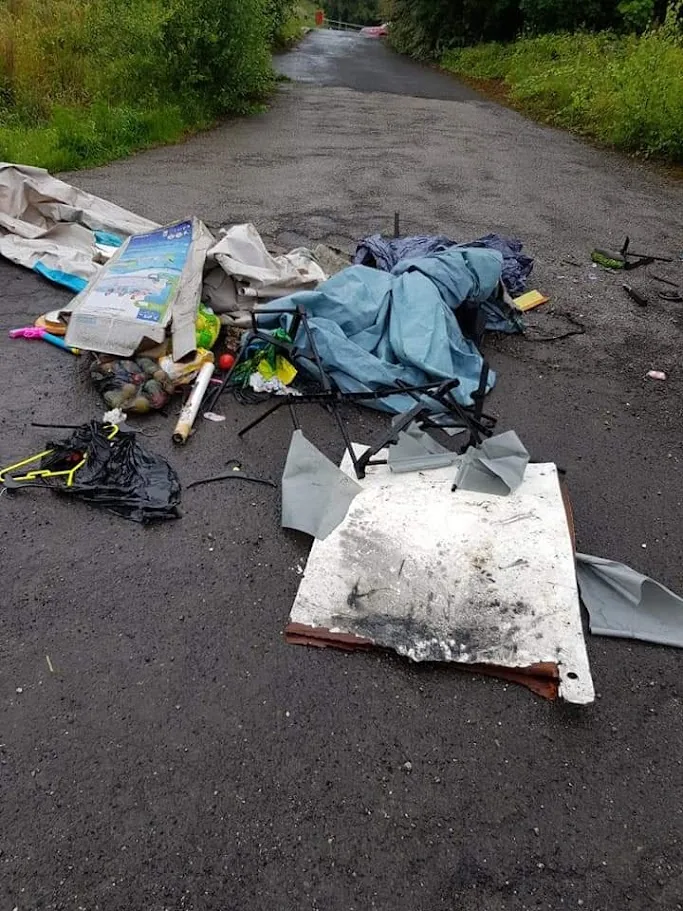
These images come from several fly-tipping clearance jobs in Sheffield and the surrounding area. They are examples of separate incidents, not stages of a single clearance.
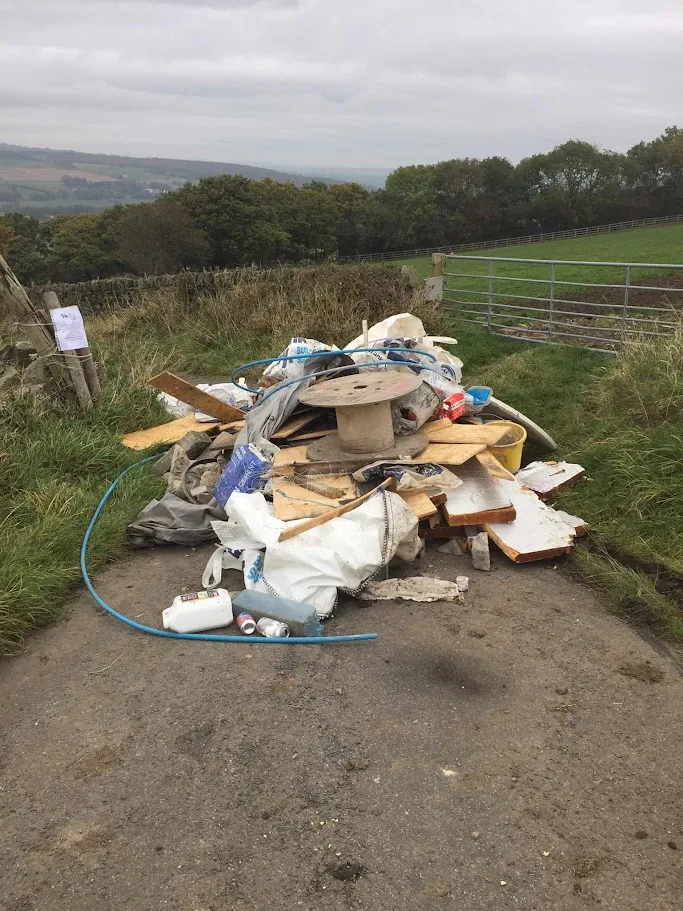
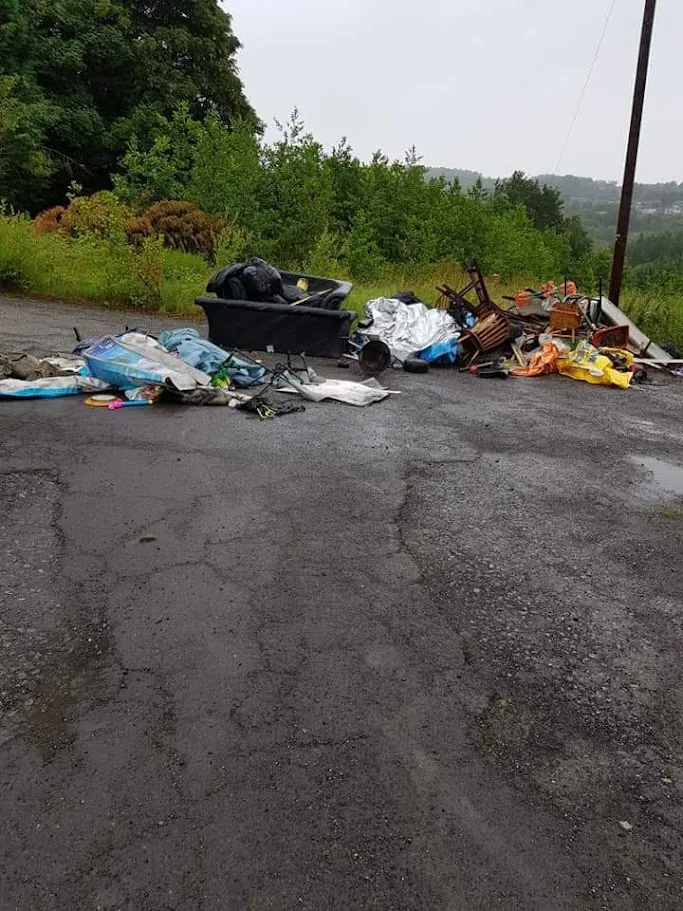
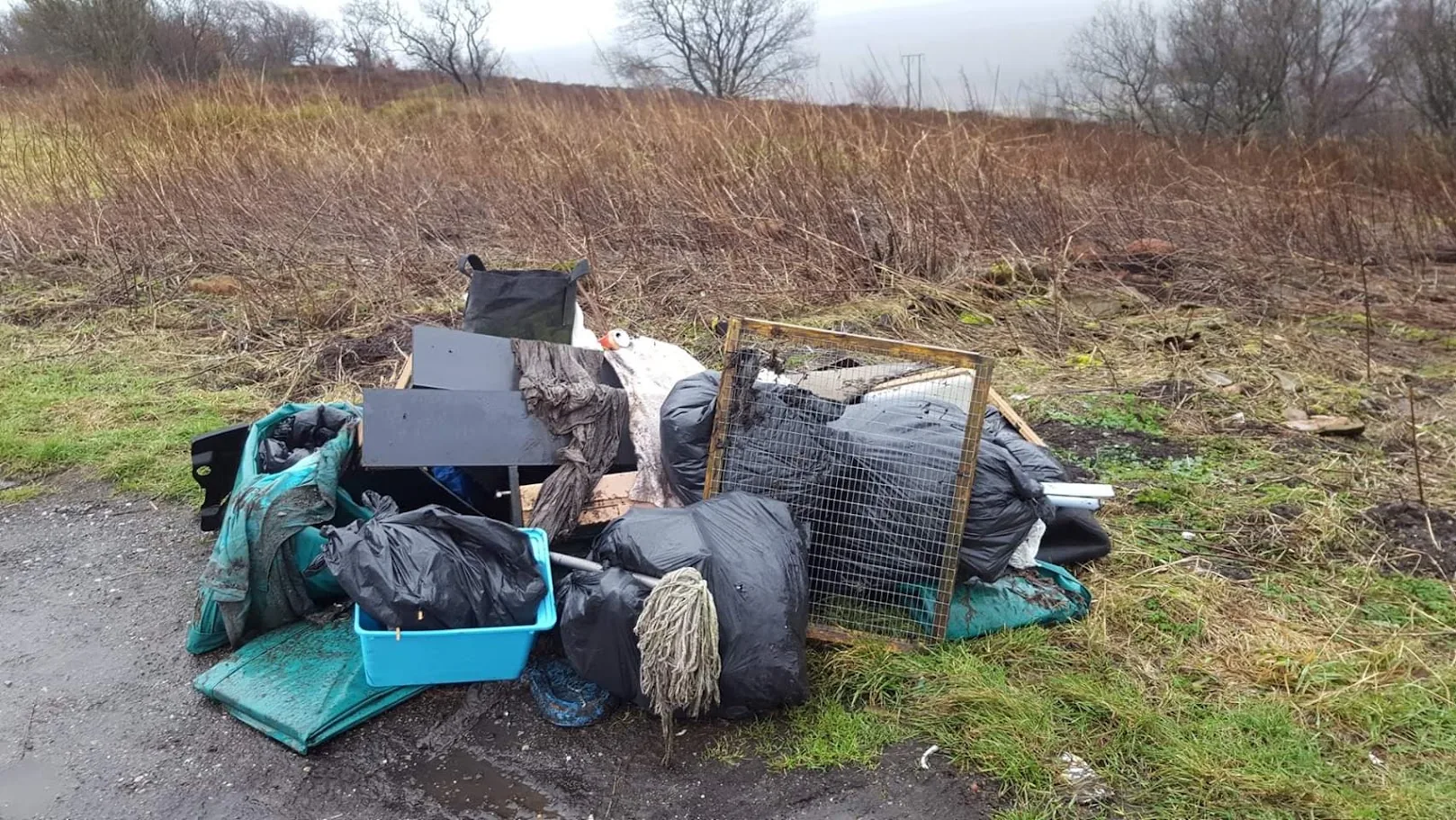
From dumped sofas and broken chairs to timber offcuts, bagged rubbish, packaging and general household items, fly-tipping comes in all shapes and sizes.
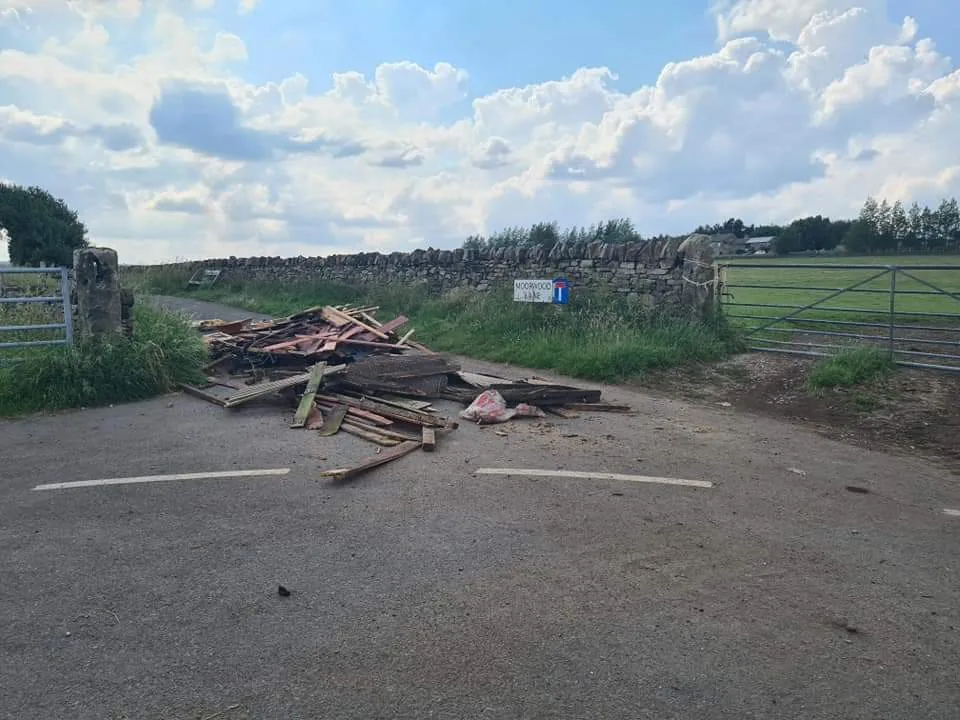
The photographs on this page show waste left on quiet roads, at rural gateways, beside fields and against boundary walls. Some incidents involve a fairly concentrated pile; others are spread across the ground, making assessment and collection more awkward.
Our team has been called upon to tackle incidents like these around Sheffield. Each site has its own challenges: roadside safety, vehicle access, the amount and type of waste, and whether the material contains anything that needs specialist handling.
Fly-tipping can obstruct access, threaten wildlife, affect local communities and leave someone else with the expense of arranging removal. If waste is dumped on private land, the landowner or occupier may need to arrange its clearance, depending on the circumstances. Where dumping occurs on public land, it should be reported to the appropriate council.
For unknown or suspicious waste, particularly containers with unidentified liquids, asbestos-like material, sharps or other hazards, the safest first step is an assessment. We will not claim that ordinary mixed-waste clearance covers every potentially hazardous material.
Browse the different waste types and locations shown in the images below. Select any photograph to view it larger.
When somebody offers to take away a van load of waste for a surprisingly low price, it is worth asking how the collection, transport and authorised disposal can be paid for. A cheap quote is not automatically suspicious, but a refusal to provide business details, proof of waste carrier registration or a proper receipt should be a warning sign.
If an unregistered collector takes your rubbish and dumps it down a country lane, your address or other identifying material may be discovered among the waste. Authorities can investigate whether you took reasonable steps to check that the collector was authorised.
You could face a fixed penalty or prosecution if you failed your duty of care. However, finding your rubbish in a fly-tipped pile is not, on its own, proof that you broke the law. Customers who made reasonable checks should be able to explain those checks and provide available supporting evidence.
Responsible removal is about what happens after the waste leaves your property, not just how quickly somebody loads it.
For non-hazardous business waste, the required waste transfer note (or equivalent document containing the required information) records the transfer. We provide the appropriate waste-transfer paperwork for commercial non-hazardous collections, and a written receipt or collection record for domestic customers. A waste transfer note can also be provided for a suitable household collection on request.
Not every pile of dumped rubbish can be treated as ordinary household waste. The first job is finding out what is actually there.
Check photographs and access, review the mix of materials and identify anything suspicious that requires specialist advice before collection.
Agree the scope, suitable people and vehicles, loading access and any precautions needed around roads, footpaths or neighbouring property.
Separate materials where appropriate, use authorised waste routes and prepare the relevant transfer or collection records for the agreed waste.
Discarded timber by a rural gate — the sort of avoidable mess that creates costs for others.
Our work does not stop at taking waste off a customer's driveway or collecting a pile from private land. The end destination matters. Waste should be directed to an appropriately authorised facility, with the correct documentation for the type of waste and transfer.
Fly-tipping affects everyone who uses and looks after these spaces. By choosing a responsible collector, customers reduce the risk of their waste contributing to the problem.
If you are clearing a property, carrying out building work or managing a commercial site, we can discuss a collection that is properly scoped and documented from the outset.
Our environmental approach ↗Possibly, if you did not take reasonable steps to check that the person collecting it was authorised. Investigators should consider what checks you made; tracing waste back to a property does not automatically establish that the householder committed an offence.
Ask for their waste carrier registration details and verify the business on the Environment Agency's public register. A normal private household waste collector should have a valid upper-tier registration. Keep the details of the booking and collection.
For non-hazardous commercial waste, the required transfer note or equivalent documentation must be completed and retained. For household clearances, you are not legally required to keep a waste transfer note, but we can provide a written collection record and, where appropriate, a waste transfer note on request.
We can assess non-hazardous fly-tipped waste on private land, including roadside boundaries, yards and access areas. The material, ownership, safety requirements and vehicle access will determine what can be included in a quotation.
Do not touch or disturb suspect material. Let us know before any collection is agreed. Hazardous or unknown waste may need specialist identification, handling and authorised disposal arrangements.
Photographs showing all of the waste, the location and postcode, access details, approximate size of the pile, and whether the site is private land or a public highway. Tell us if any material is dangerous or unidentified.
Send us photos of the waste, your location and access details for a clear quotation and the right disposal arrangements.