
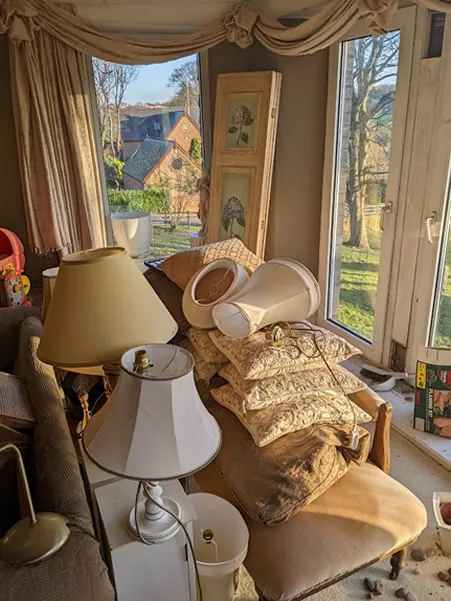
A well-prepared property clearance is easier to scope and less likely to result in an important belonging being removed by mistake. A little organisation before the team arrives can make a major difference.
Whether this is your first clearance or part of an ongoing property programme, a well-defined brief is the starting point. The following considerations can help you understand what should be discussed with the people responsible for collection, transport, relocation or waste handling.
Decide what stays first
Walk through each room and identify valuables, paperwork, photographs, keys, jewellery and anything with sentimental value. Store retained items separately if possible. If family members are involved, seek agreement before items are labelled for clearance. A contractor should not have to decide whether a particular possession is important.
Show every included area
A quotation should reflect bedrooms, living rooms, cupboards, loft spaces, garages, sheds and gardens where these are in scope. Photographs should be taken in good light and show the full volume, not only a few pieces of furniture. Let the contractor know about bulky wardrobes, pianos or difficult-to-reach storage.
Prepare the carrying route
Explain whether there are steps, narrow hallways, parking restrictions or a long distance between the property and the vehicle. A steep garden or shared stairwell can change the work considerably. Where possible, make keys and access arrangements available through a named responsible person.
Flag anything requiring different handling
Paint, chemicals, gas cylinders, batteries, fridges and electrical items may need separate assessment or charges. Do not disturb suspect asbestos or unknown containers. If some furniture is going to another address rather than disposal, make this clear from the start so the transport can be quoted appropriately.
Leave enough time to check small spaces
Cupboards under stairs, high kitchen units, attic storage, garden sheds and garages are easy to overlook. Before making a final clearance list, walk through the property once more with all doors open and any retained belongings clearly marked. If the property is being sold, confirm which appliances or fixtures are expected to remain. This final inspection can be especially important when the customer will not be present during the actual loading.
Practical checklist
Before arranging collection, use these points to check that the essential details have been identified and shared with the responsible people:
- Set aside valuables and documents.
- Photograph every included room or outbuilding.
- Identify problematic items and access restrictions.
- Agree who is authorised to instruct the clearance.
Turning the plan into a clearance quotation
The next step is to translate your notes into a description of the actual property, the contents to be removed and any deadline or site constraint. If photographs do not fully explain the situation, request a further discussion or survey. Make sure there is no confusion between removing unwanted material and transporting an item for continued use.
Ask about specialist or excluded materials at the beginning. Where waste is involved, ensure the proposed handling matches the material and the relevant duties. For service details, read our House Clearances page.