
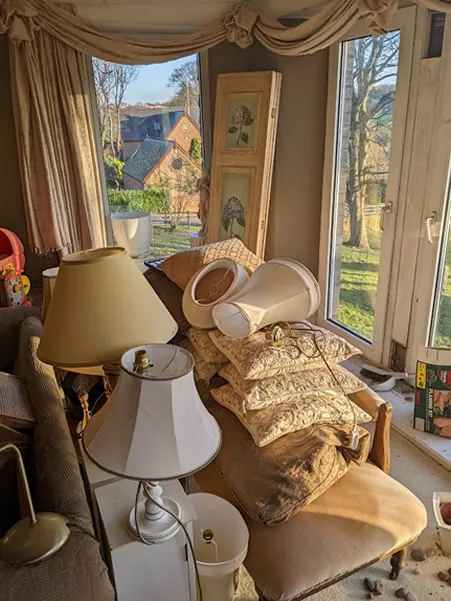
Clearing a property after someone has died is rarely just a logistics job. Families may need time to review belongings, confirm authority and make decisions that should not be rushed.
Whether this is your first clearance or part of an ongoing property programme, a well-defined brief is the starting point. The following considerations can help you understand what should be discussed with the people responsible for collection, transport, relocation or waste handling.
Confirm who can instruct the work
Before booking, establish who is authorised to act for the estate and who needs to be consulted. A clearance company should receive clear instructions from the appropriate representative. If there is uncertainty or a dispute about ownership, seek professional advice rather than asking the clearance team to determine legal rights.
Protect important belongings
Documents, photographs, jewellery, financial paperwork and family keepsakes can be easily overlooked in drawers and cupboards. Work through the property systematically and consider setting aside a separate room or marked collection for anything the family wishes to retain. Do not rely on an unfamiliar contractor to identify sentimental value.
Decide the property’s next step
A sale, tenancy handover or renovation can shape the extent and timing of the clearance. Consider whether carpets, fixtures and white goods are included or should remain for the new occupier. Executors may need an inventory for their records, so photographs before items leave can be useful.
Choose a considerate, transparent process
A proper quotation should identify the areas to be cleared, access details and any special items. Ask how usable furniture may be handled and what happens to the remainder. Where available, appoint one family or estate representative to answer questions on the day and approve any changes to the agreed scope.
Allow room for decisions to change
Families can uncover personal documents or objects that prompt a change of plan. Rather than setting an unnecessarily rushed date, allow a period for sorting and checking with relevant people. Agree a process for any unmarked item the team discovers and identify a representative who can be contacted during the work. A compassionate clearance is still a structured task: clear instructions protect both the family and the people carrying out the service.
Practical checklist
Before arranging collection, use these points to check that the essential details have been identified and shared with the responsible people:
- Confirm authority and consult relevant relatives.
- Set aside important papers, valuables and keepsakes.
- Make a room-by-room list.
- Agree a scope and sensible programme without unnecessary pressure.
Turning the plan into a clearance quotation
The next step is to translate your notes into a description of the actual property, the contents to be removed and any deadline or site constraint. If photographs do not fully explain the situation, request a further discussion or survey. Make sure there is no confusion between removing unwanted material and transporting an item for continued use.
Ask about specialist or excluded materials at the beginning. Where waste is involved, ensure the proposed handling matches the material and the relevant duties. For service details, read our Probate & Bereavement Clearances page.