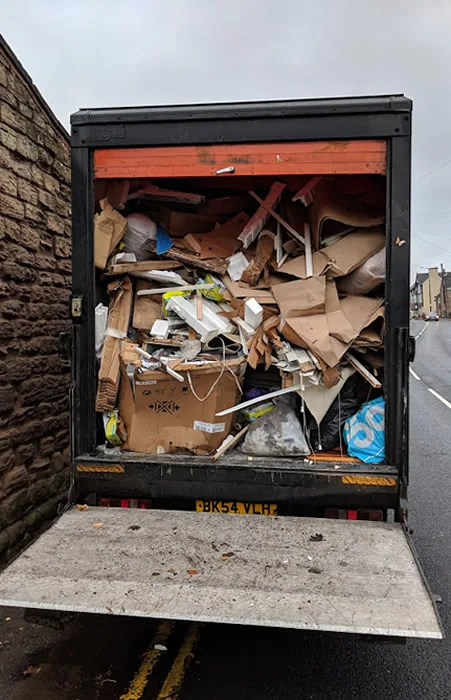
A skip and a manned clearance service solve related but different problems. The most suitable option depends on available space, the types of material and whether someone can load everything safely.
Whether this is your first clearance or part of an ongoing property programme, a well-defined brief is the starting point. The following considerations can help you understand what should be discussed with the people responsible for collection, transport, relocation or waste handling.
When a skip can work well
For a refurbishment producing predictable, suitable waste over several days, a skip can provide convenient on-site capacity. However, a skip may need permits or permission for placement, and material restrictions should be understood before ordering. Customers also need to do the loading themselves or arrange labour.
When an arranged clearance is useful
Where access is restricted or the waste is already ready to collect, a labour-and-vehicle clearance can avoid leaving a container on site. Upper-floor furniture, occupied offices or small city-centre sites can make direct loading attractive, provided vehicles can stop legally and the contents are appropriate for the agreed service.
Compare the whole cost
Consider labour for carrying, permit charges, hire periods, prohibited items, multiple skips, vehicle visits and whether any extra handling is required. A headline skip price should not be compared directly with a quote that includes people loading and carrying furniture from inside a building. Ask each provider to define what is included.
Material rules still apply
Neither a skip nor a clearance crew can automatically accept hazardous or unknown materials. Electrical items, gypsum-based materials, asbestos and certain chemical products may require specific arrangements. Accurate classification and authorised transfer remain important for commercial waste regardless of the collection method.
Look at the physical route, not just the waste volume
A large pile of lightweight packaging beside an open yard may be relatively straightforward to load, while a few heavy cabinets on an upper floor can require considerable labour. The distance to a safe vehicle position can be more important than the visible size of the pile. If workers are carrying items through an occupied building or a shared lobby, consider how those routes will be protected and whether a direct collection is suitable.
Practical checklist
Before arranging collection, use these points to check that the essential details have been identified and shared with the responsible people:
- Ask who will physically carry and load the items.
- Check space, permits and parking arrangements.
- Confirm prohibited material and special charges.
- Compare like-for-like scope and timing.
Turning the plan into a clearance quotation
The next step is to translate your notes into a description of the actual property, the contents to be removed and any deadline or site constraint. If photographs do not fully explain the situation, request a further discussion or survey. Make sure there is no confusion between removing unwanted material and transporting an item for continued use.
Ask about specialist or excluded materials at the beginning. Where waste is involved, ensure the proposed handling matches the material and the relevant duties. For service details, read our Commercial Waste Removal page.