
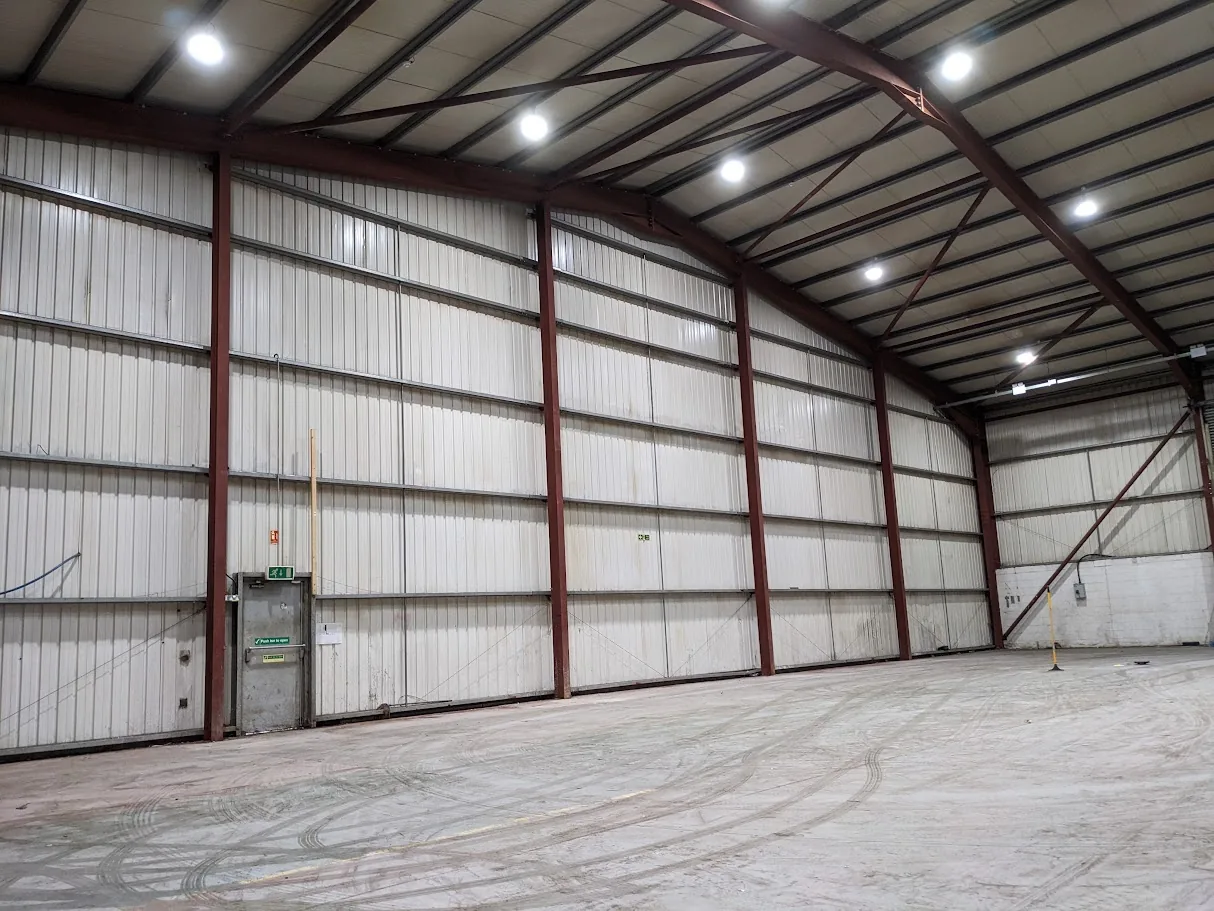
Leaving a warehouse or industrial unit can expose unanswered questions about stock, racking, abandoned equipment and who is responsible for making the building ready. A clearly marked scope helps the clearance programme.
Whether this is your first clearance or part of an ongoing property programme, a well-defined brief is the starting point. The following considerations can help you understand what should be discussed with the people responsible for collection, transport, relocation or waste handling.
Understand the lease and instructions
The landlord’s handover requirements, any dilapidations schedule and the tenant’s own inventory may define different tasks. Loose stock, tenant furniture, fixed plant and building alterations should not be grouped together without checking ownership and responsibility. Have the authorised person confirm exactly which items can be removed.
Assess bulk and loading access
Warehouse contents may include pallets, packaging, shelving, damaged stock and loose equipment. Quantity and weight matter as much as floor area. Check roller-shutter access, yard ownership, unloading areas, HGV restrictions and whether forklifts or other equipment will be needed. A warehouse with a full dock can still be difficult if materials are scattered across several areas.
Identify specialist materials early
Plant, large racking systems, electrical services and potentially hazardous substances may call for competent specialists. Some goods or stored chemicals may not be suitable for a standard waste load. Make a separate list of anything that requires isolation, permits, dismantling or environmental assessment rather than leaving such decisions until loading day.
Leave time for final checks
Schedule the clearance far enough ahead of key handover to allow for inspection, any separate cleaning and unexpected scope decisions. If the site remains partly occupied, establish safe access with the building controller. Keep relevant transfer notes, invoices and completion records together for the landlord or managing agent.
Use photographs as a handover record
Before the work starts, take photographs from fixed positions showing the condition and contents of the warehouse, stores and yard. Mark the boundaries of the clearance in a plan or written schedule, particularly where stock belongs to different businesses. After the agreed work, a comparable record can help an owner or agent review what has changed. It does not replace any contractual inspection, but it reduces ambiguity when discussing outstanding items.
Practical checklist
Before arranging collection, use these points to check that the essential details have been identified and shared with the responsible people:
- Obtain the authorised handover scope.
- Photograph stockrooms, racks, yards and ancillary spaces.
- Identify fixed plant and hazardous items.
- Schedule a final inspection before key return.
Turning the plan into a clearance quotation
The next step is to translate your notes into a description of the actual property, the contents to be removed and any deadline or site constraint. If photographs do not fully explain the situation, request a further discussion or survey. Make sure there is no confusion between removing unwanted material and transporting an item for continued use.
Ask about specialist or excluded materials at the beginning. Where waste is involved, ensure the proposed handling matches the material and the relevant duties. For service details, read our Warehouse Clearances page.